Los Angeles is coming out of its rainy season, and if you own or manage a property on the Westside, this is actually one of the best times of year to be proactive. The transition from cool and wet to warm and dry creates a natural opportunity to walk your property, catch small things early, and set yourself up for a smooth, stress-free summer.
At N.T.O.E., being helpful and educating property owners is at the core of what we do. With 20+ years in the industry and 3,000+ properties serviced, Naz and his team have developed a keen eye for what the seasonal shift reveals, and more importantly, what some attention now can prevent down the road. We posed six questions to get his expert insights and practical tips.

When you walk through a property right after the LA rainy season, what are the first three things you look for — and why do most homeowners miss them?
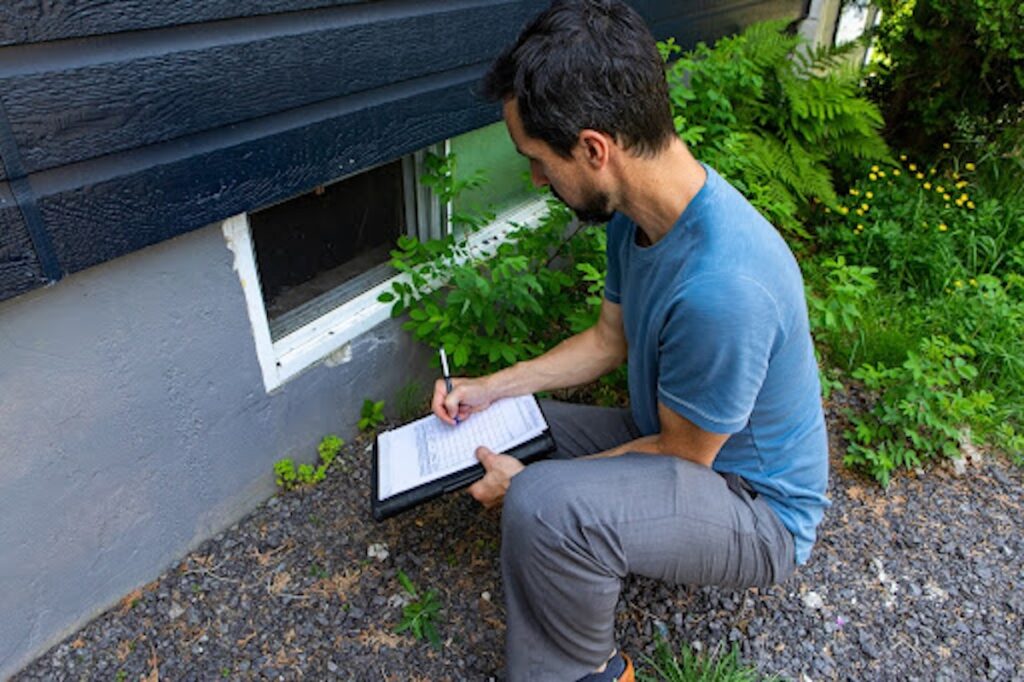
Condensation on windows. This is a helpful early signal about moisture around the window track — something most homeowners don’t think twice about, but tells a trained eye a lot about what’s happening inside the wall.
Water accumulation in overlooked spots. Whether it’s near a foundation, on a flat roof section, or in a corner of the garage, these are easy to spot once you know to look.
Moisture inside walls and ceilings. This is where professional equipment makes a real difference. We use moisture detection tools to find what’s hiding inside the structure, catching it early means a straightforward fix instead of a bigger project later.
What’s the most common problem you find in spring that started during the winter rains but didn’t become visible until weeks later?
Mold is a big one. Mold takes time to develop, it starts with moisture during the rainy season and gradually grows over the following weeks. What’s visible on the surface is often just a fraction of what’s in the cavity behind it, which is exactly why a professional inspection at this time of year is so valuable. Catching it now means a clean, efficient remediation rather than a much bigger project.
What do property owners not understand about the rain-to-heat period from a maintenance perspective?
Many LA homes are built with wood, which is a porous material that expands with moisture and contracts as it dries. The shift from a wet winter to dry heat causes natural movement throughout the structure, and knowing what to look for makes it easy to address.
Keep an eye out for:
- Minor cracks in stucco or exterior walls as materials contract
- Small separations around windows, door frames, and roof attachments
- Any gaps forming in areas that were sealed before the wet season
These are normal results of seasonal change, and a quick check now means they get addressed before the next rainy season.
Looking back at past winter-to-spring seasons, what are the most consistent things you see?
Properties that come through the transition smoothly are consistently the ones with a routine already in place — even a simple annual check makes a meaningful difference. The most common things worth a look this time of year:
- Gutters: A quick clean-out after the rains keeps everything flowing the way it should
- Roof: Worth a visual inspection to make sure winter weather hasn’t caused any wear worth addressing
- HVAC: Transitioning to cooling season is the perfect time to service the system and swap filters
- Vents: Attic, crawl space, bathroom, and HVAC vents can collect debris over winter — a quick check keeps airflow and performance where it should be
What’s one action every LA homeowner, HOA board, and property manager should take right now?
The most important thing right now is going to be their gutters and all of the drainage systems. If you have any sump pumps, those need to be checked as well. Because if unattended, it can cause disasters in buildings.
Healthy gutters and clear drainage mean rainwater from the last storms moves away from the property the way it’s designed to. It’s a small task with a big payoff.
Any additional things property owners and managers haven’t thought about?
Yes, planters and vegetation in gardens.
Planters and vegetation near the building. Soil or landscaping sitting directly against the exterior of a structure creates sustained moisture contact — not ideal for walls, foundations, or waterproofing. Pulling soil back from the building exterior and reconsidering planters over structures or parking areas is a simple improvement with long-term benefits.
Waterproofing. It’s not permanent, and that’s okay — it just needs to be on your radar. Waterproofing typically needs to be redone around every 10 years. If yours is approaching that mark, this is a great time to have it assessed. Staying ahead of it is far easier than addressing the effects of deterioration after the fact.
The work was completed on time and with excellent attention to detail. It’s rare to find a team this professional. Highly recommend them for any restoration or maintenance needs!
A.Y.
Ready to Make This Your Most Proactive Year?
That’s exactly what we’re here for.
If you’d like a professional set of eyes alongside yours, our monthly and quarterly inspection programs are built exactly for this kind of proactive, relationship-based care.
We’d love to hear from you — call us at (888) 367-1371 or reach out online. We serve homeowners, HOA communities, and property management firms across Santa Monica, Beverly Hills, Brentwood, West LA, Westwood, and Pacific Palisades.